
The Home Maintenance Tasks Everyone Forgets Until It’s Too Late
434 Views
Read Time:6 Minute, 16 Second
Owning a home means dealing with a never-ending list of things that need attention. Most people handle the obvious stuff – mowing the lawn, changing air filters, maybe cleaning the gutters once a year. But there’s a whole category of maintenance tasks that fly under the radar until something goes wrong. And when these things finally demand attention, they usually do it in the most inconvenient and expensive way possible.
The Stuff Behind the Walls
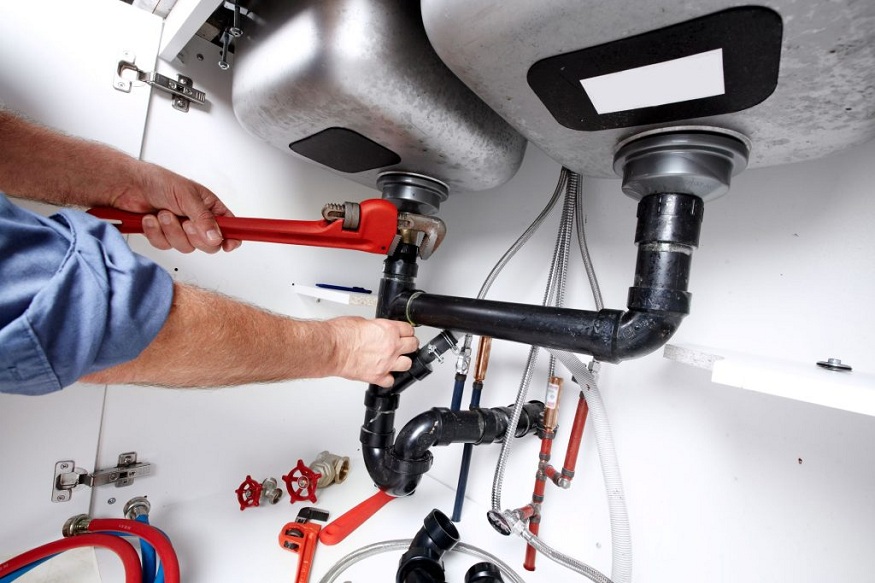
Here’s the thing about home maintenance – the most important jobs are often the ones you can’t see. Your home’s internal systems work quietly in the background until they don’t. Take your plumbing, for example. Most homeowners never think about their pipes until water starts pooling where it shouldn’t.
The problem is that small leaks can hide for months or even years. A slow drip inside a wall doesn’t make much noise, but it’s steadily damaging timber, encouraging mould growth, and running up your water bill. By the time you notice the water stain on your ceiling or the soft spot in your floor, you’re looking at a repair job that’s ten times more expensive than it needed to be.
Getting a professional to inspect your plumbing every couple of years isn’t exciting, but it catches these issues early. If you need someone reliable, a local plumber in Burwood can check your system before minor issues turn into major headaches. It’s one of those boring tasks that feels like a waste of money right up until it saves you thousands.
Hot Water Systems Nobody Remembers
When’s the last time you thought about your hot water system? If you’re like most people, the answer is either “never” or “when I ran out of hot water during a shower.” These units sit outside or in the garage, doing their job day after day, and we just assume they’ll keep working forever.
They won’t.
Hot water systems need periodic maintenance – checking the pressure relief valve, flushing the tank to remove sediment buildup, inspecting the anode rod. Most people have no idea what an anode rod even is, let alone that it needs replacing every few years. Skip this maintenance, and your system will fail earlier than it should. And hot water system replacements aren’t cheap.
The sediment issue is particularly sneaky. As minerals in your water settle at the bottom of the tank, they create a barrier between the heating element and the water. Your system works harder to heat the water, uses more energy, and wears out faster. All of this happens silently until one day you’re stuck with cold showers and a four-figure repair bill.
Roof and Gutter Neglect
Everyone knows they should clean their gutters, but most people do it once a year at best – or not at all. The real issue isn’t just the leaves and debris sitting in there. It’s what happens when blocked gutters overflow during heavy rain.
Water that can’t drain properly finds other ways down, and those ways usually involve running under roof tiles, down walls, or into places that should stay dry. The damage happens gradually. A little water here, a bit of moisture there, and suddenly you’ve got rotting fascia boards, rust spots, or water damage inside your roof cavity.
But get this – gutter maintenance isn’t just about cleaning them out. Those brackets holding the gutters to your house loosen over time. The gutters themselves can sag or develop rust holes. The downpipes might be blocked at the bottom where you can’t see. All of these problems are easy to fix when you catch them early, but they turn into expensive nightmares if you ignore them.
The Seal Situation
Bathrooms and kitchens have silicon seals around sinks, showers, and baths. These seals do important work – they keep water where it belongs. Most people never look at them closely until the silicon starts turning black with mould or cracking and peeling away.
This is where it gets expensive. When those seals fail, water seeps through. Not a lot at first, just a bit here and there. But water is patient. It finds its way under tiles, into walls, beneath flooring. By the time you see visible damage, there’s often hidden rot or structural issues that need addressing.
Resealing a shower costs maybe $200 if you get someone in to do it properly. Fixing water damage behind tiles because you ignored deteriorating seals for three years? That’s easily $3,000 or more, depending on how far the damage spread.
Air Conditioning and Heating Systems
Most Australians run their air conditioning pretty hard during summer, then forget about it completely until the next heatwave rolls around. Heating systems get similar treatment – ignored until they’re needed, then expected to work perfectly.
These systems need regular servicing. Filters clog up with dust and debris, reducing efficiency and air quality. Refrigerant levels can drop. Components wear out. A system that’s never been serviced works harder, costs more to run, and dies younger than one that gets annual attention.
The other issue people miss is the outdoor unit. It sits there accumulating leaves, dust, and spider webs. The area around it gets overgrown with plants. All of this restricts airflow and forces the system to work harder. Keeping that outdoor unit clear and getting annual servicing seems like unnecessary expense until your air conditioning dies on a 40-degree day and you’re told it’ll be a week before anyone can install a replacement.
Drainage and Stormwater
Here’s something almost nobody thinks about – where does the water go when it rains? Your property has drainage systems designed to move stormwater away from your house. These systems include drains, pipes, and sometimes soak wells or connection points to street drainage.
Over time, these get blocked with soil, leaves, and tree roots. The blockages happen gradually, so you might not notice until you get a really heavy downpour. Then suddenly you’ve got water pooling against your foundation, flooding your garage, or creating boggy patches in your yard that never dry out.
Water sitting near your foundation is particularly bad news. It can cause structural movement, create damp problems inside your house, and attract termites. Getting your stormwater drains checked and cleared every few years prevents all of this, but most people don’t even know where their stormwater drains are, let alone maintain them.
Making It Actually Happen
The reason people skip these maintenance tasks isn’t laziness – it’s that they’re easy to forget and the consequences aren’t immediate. Nothing breaks today if you skip cleaning your gutters or servicing your hot water system. The problems show up months or years later, often when you’ve completely forgotten that you were supposed to do something about it.
The solution is pretty simple, even if it’s not exciting. Create a schedule and stick to it. Put annual tasks in your phone calendar with reminders. Budget for maintenance the same way you budget for rates and insurance – because it’s not optional, it’s just deferred.
Most people don’t see this coming, but home maintenance costs are far more predictable and affordable when you’re proactive. An annual plumbing inspection costs a couple of hundred dollars. Emergency repairs after a pipe bursts? That’s thousands, plus the stress and inconvenience.
Your home is probably your biggest financial asset. Treating maintenance as optional is essentially choosing to let that asset deteriorate. The boring, unglamorous work of keeping things maintained pays off – not in exciting ways, but in problems that simply never happen. And honestly, that’s the best kind of payoff there is.


Happy
0 %

Sad
0 %

Excited
0 %

Sleepy
0 %

Angry
0 %

Surprise
0 %
 0
0
 0
0


Average Rating