
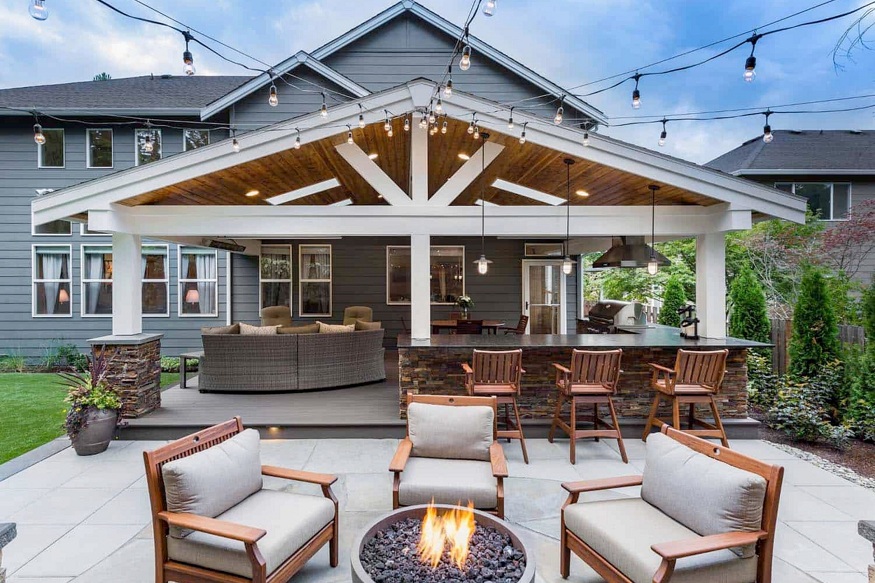
Here’s the thing about most patios and outdoor spaces – they look great in photos but nobody actually hangs out there. You walk past these beautifully arranged outdoor setups and wonder why they’re always empty, even on perfect weather days. The truth is, most people focus so much on making their outdoor space look good that they forget to make it actually usable.
The difference between a space that gets used and one that doesn’t comes down to comfort and function, not just appearance. Those magazine-perfect setups might photograph well, but if you can’t sit comfortably for more than twenty minutes or there’s nowhere to put your coffee cup, people will find excuses to head back inside.
Get the Basics Right First
Before you start thinking about furniture arrangements or color schemes, the foundation has to work. Nothing kills the mood like wobbly furniture on uneven ground or constantly tripping over raised pavers. Whether you’re working with existing concrete, adding stone, or building a deck, everything needs to feel solid underfoot.
Most people treat lighting like decoration, but it’s actually what determines when you can use the space. String lights look nice, but try reading a book or having a real conversation under them after dark – it doesn’t work. You need a mix of ambient lighting for mood and actual task lighting for activities. Solar lights are fine for accents, but if you want reliable brightness that lasts all evening, hardwired fixtures are worth the investment.
Wind is one of those things you don’t think about until it becomes a problem. A beautiful setup becomes unusable when papers blow around or cushions need constant adjusting. Simple solutions like screens, strategic plantings, or even just smart furniture placement can turn a windy spot into a comfortable retreat.
Comfort Actually Matters
This sounds obvious, but you’d be surprised how many people choose outdoor furniture based on looks alone. Hard surfaces work for quick conversations, but if you want people to actually relax and stay awhile, comfort has to be the priority. When you’re shopping for seating, actually sit in pieces for a few minutes rather than just checking them out visually. When you find an outdoor chair that balances great looks with real comfort, it becomes the kind of piece people naturally gravitate toward and actually want to spend time in.
The height relationships between different pieces make a bigger difference than most people realize. Coffee tables that are too low force everyone to lean forward awkwardly, while side tables placed too far away become useless for actually holding anything. Stick with standard indoor proportions – coffee tables about two inches below seat height, side tables that line up with armrests.
Here’s something nobody tells you about outdoor furniture – cushion storage becomes a daily headache if you don’t plan for it. The first time it rains and you’re scrambling to move cushions inside, you’ll understand why built-in storage or weatherproof containers are worth the investment. When storing cushions becomes too much work, people just stop using them.
Think About How People Actually Use Spaces
The best outdoor areas have clear purposes for different zones. For conversation areas, people need to be able to see and hear each other without shouting across the space. Circular or L-shaped seating arrangements work much better than straight lines, which feel formal and make natural conversation difficult.
Dining spaces have their own requirements. Tables need enough clearance for chairs to pull out comfortably – at least three feet behind each seat. Overhead coverage becomes more important for dining since meals take longer and people can’t easily relocate if conditions change.
But get this – the zones need to flow together without creating traffic jams. People should be able to move between areas easily, and high-traffic paths shouldn’t cut right through seating arrangements. Think about what happens during parties or family gatherings when people are constantly moving around.
Weather Changes Everything
Sun exposure can make spaces completely unusable during certain times of day. Fixed shade structures provide reliable coverage but you’re stuck with them whether you want shade or not. Umbrellas give you flexibility but they need sturdy bases and someone has to remember to adjust them. Retractable awnings split the difference – coverage when you need it, open sky when you don’t.
Rain doesn’t have to shut everything down completely. Even partial coverage like a pergola with retractable panels gives you options when weather gets questionable. The key is having solutions that are actually convenient to use. If setting up shade requires a major production, it won’t happen consistently.
The Reality of Maintenance
Let’s be honest about upkeep. Even weather-resistant materials need periodic cleaning and attention. Planning for realistic maintenance from the beginning prevents spaces from looking tired and neglected after a season or two.
Drainage matters more than you’d think. Water pooling around seating areas shortens furniture life and makes spaces unusable after every rain. Slight slopes away from gathering areas and proper drainage pathways keep things functional.
Seasonal storage is another reality check. Large items that can’t stay outside year-round need somewhere to go, or your beautiful outdoor space becomes cluttered with tarps and temporary covers.
Making It Work
The most successful outdoor spaces feel like natural extensions of your indoor living areas. They’re comfortable enough that people choose to spend time there, functional enough to support real activities, and convenient enough that using them doesn’t require special effort.
When outdoor spaces meet actual needs rather than just looking good, regular use patterns develop naturally. People gravitate toward spaces that offer genuine comfort and convenience. The goal is creating somewhere so appealing that staying inside feels like you’re missing out on something good.