
Moved to a New City? A Quick Guide to Picking a Water Purifier Based on Local Water Quality
188 Views
Read Time:2 Minute, 47 Second
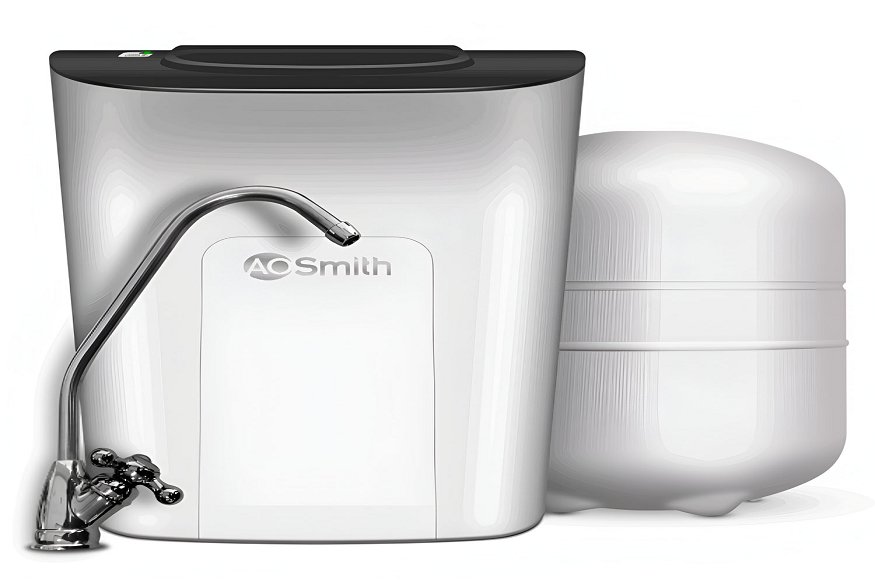 Moving to a new city comes with many adjustments: a new neighbourhood, new routines, and often, new water quality. While water may look clean, its mineral content, treatment method, and safety levels can vary widely from one city to another. Choosing the right water purifier based on local water quality is one of the smartest steps you can take to protect your family’s health. This quick guide will help you understand what to look for before buying a water purifier in a new city.
Step 1: Understand Your Local Water Source
The first thing to check is where your household water comes from. Most cities receive water from one of these sources:
- Municipal supply (treated surface water from rivers or lakes)
- Borewell or groundwater
- Tanker water, often a mix of sources
Municipal water is usually treated but may still carry sediments, chlorine, or ageing pipeline contaminants. Borewell and tanker water often have higher Total Dissolved Solids (TDS) and hardness levels.
If you are unsure, ask neighbours or your building management about the local water source.
Step 2: Check TDS Levels (If Possible)
TDS indicates the amount of dissolved salts and minerals in water. While you don’t need lab tests immediately, a simple digital TDS meter can give a basic idea.
- Below 300 ppm: Generally suitable for UV or UF purifiers
- 300–600 ppm: RO or RO+UV recommended
- Above 600 ppm: RO purifier is essential
Cities with high groundwater dependency usually require RO purification, while many metro areas with treated municipal supply may not.
Step 3: Match the Purifier Type to Water Quality
Choosing the right purification technology prevents both under- and over-purification.
- RO Purifiers: Best for high TDS, hard water, and mixed water sources
- UV Purifiers: UV water purifier is suitable for low-TDS municipal water with microbial risk
- UF Purifiers: Remove sediments and bacteria but do not reduce TDS
- RO + UV/UF: Ideal when water quality fluctuates or is uncertain
If your city experiences seasonal water changes, a multi-stage purifier offers better long-term safety.
Step 4: Consider Installation Space and Water Pressure
Many urban homes now prefer under-sink water purifiers, especially in apartments with compact kitchens. These systems save counter space and often come with larger storage tanks.
Also check:
- Available water pressure
- Electrical points near installation
- Drain outlet for RO wastewater
Planning these early avoids last-minute installation issues.
Step 5: Think About Maintenance and Local Service
After moving cities, easy servicing matters. Look for:
- Widely available service centres
- Transparent filter replacement schedules
- Easily available spare parts
A purifier that is difficult to maintain in your new city may become more trouble than it’s worth.
Step 6: Avoid One-Size-Fits-All Decisions
What worked in your previous city may not work now. Water quality changes not just between states but even between neighbourhoods. Avoid choosing a purifier based only on brand or past experience; local conditions should guide your decision.
Conclusion
Moving to a new city is the perfect time to reassess your water purifier choice. By understanding local water quality, checking TDS levels, and selecting the right purification technology, you can ensure safe, great-tasting drinking water from day one. The right water purifier helps maintain consistent water quality for drinking and cooking, making everyday routines easier and healthier as you settle into a new place.


Happy
0 %

Sad
0 %

Excited
0 %

Sleepy
0 %

Angry
0 %

Surprise
0 %
 0
0
 0
0


Average Rating