
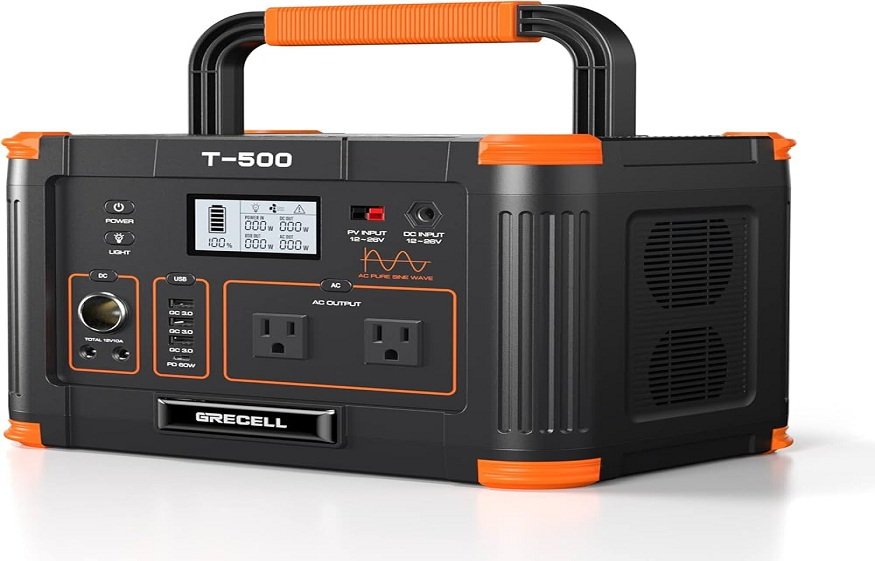
Most generator failures are not that the engine was faulty. It’s that the engine was left unattended in a garage or a utility room for two years, and nobody heard the degradation it was too quiet. A backup generator doesn’t stay ready by doing nothing, it degrades by doing nothing.
Annual Inspections Catch the Things You Won’t See Otherwise
Firstly, rodents pose a significant and underestimated threat to backup power equipment. Mice and squirrels are attracted to generator enclosures as nesting sites, and chewing on wiring insulation is a primary source of electrical shorts. An annual visual inspection of the enclosure, wiring harness, and control board takes less than an hour and can prevent a fire or a total electrical failure.
Examine air intake filters for blockages, particularly if the generator is in a dusty location or near plants. A clogged filter throws off the air-to-fuel ratio and puts stress on the engine. Liquid-cooled generators require you to also check coolant level and quality, an engine failure due to overheating in an extended outage could cost you thousands.
Read More: How to Navigate the Complexities of Restoring a
Oil viscosity is more important than most owners believe. Running the wrong grade of oil for your climate, 10W-30 in sub-freezing weather, for example, affects engine start-up and the protection of internal components. Consult your owner’s manual and switch grades at the appropriate times annually.
As you go online to order replacement parts like filters, voltage regulators, or plugs, you need to make sure they are application-specific to your exact unit. A site like powergeneratordepot.com makes the necessary details of your equipment (including specially-sized parts specifically fitted to the machine you are maintaining) conveniently available, in place of a catch-all substitute that may not deliver the same results.
Battery Neglect is the Most Common Way a Generator Fails
It has been technically estimated that roughly 80% of all standby generator failures can be linked back to having weak batteries, either with low charge or terminal corrosion. Most importantly, that percentage stays constant year to year, although it should be expected for anybody who operates or maintains these systems on a regular basis.
Read More: Bedroom & Beyond: Choosing Modular Wardrobes with Elegant
Starting lead acid batteries can’t tell you when they’re about to die. A battery may show 12 volts on its surface charge, but that doesn’t mean it has the 800 cold-cranking amperes it needs to get your engine started. Our best advice here? Just replace them every two to three years even if they look good. Don’t let a failed start during a power outage confirm what you already know.
Next, you want to check the terminals for white or greenish oxidation. If oxidation is present, you want to clean them with a wire brush and apply a thin coat terminal protector, which takes five minutes and eliminates your most common point of failure, which is an easy win.
Fuel Doesn’t Stay Stable on its Own
Gasoline starts to break down in as little as 30 days. The lighter components begin to evaporate, creating a gummy residue that builds up in carburetors and fuel injectors. If your portable or standby generator is gasoline powered, you should add a fuel stabilizer whenever you’re going to store it for more than a few weeks. Treat a full tank with stabilizer, not a nearly empty one, since you want to minimize the amount of moist air in which water can accumulate.
Diesel is more stable, but the fuel also tends to foster microbial growth and accumulate sediment, both of which will clog injectors and filters. Diesel units benefit from what’s called fuel polishing, where the diesel passes through some filtration equipment that removes bugs and dirt before they make it to the engine. This isn’t an afterthought for a standby diesel unit; it’s the kind of thing that ought to be on the annual service checklist.
Diesel generators have another issue, in that they will “wet stack” if run for long periods under very light load. This is when unburned fuel works its way into the exhaust system, carboning the engine and reducing its efficiency. A “load bank” test, connecting a calibrated electrical load to the generator to verify that it can, in fact, produce its full kilowatt rating, will de-gunk the engine and reassure you that the unit is ready to perform if called upon.
Monthly Exercise Runs Aren’t Optional
A generator that is never used won’t be functional when you need it. Engine seals tend to dry up while the fuel system accumulates moisture, and oil drains from its surfaces that are needed to provide protection. By running the generator with a light load for 20 to 30 minutes each month, you help lubricate internal parts and get a preview of any potential issues.
For the majority of automatic transfer switch systems, the generator can be set to run at a specific time. If your system does not have this function, schedule a monthly appointment for the exercise run on your calendar. This also helps you ascertain if your automatic transfer switch is working properly, since it’s the part sensing lost utility power and automatically starting the generator, you should know it can respond appropriately.
Keep a Maintenance Log
A written record of run hours, oil changes, filter replacements, and battery swaps does two things. It keeps you on schedule so nothing gets overlooked between service intervals. It also preserves warranty compliance and documents the service history if you ever sell the equipment. A generator with a clean maintenance record is worth more, to you as the owner, and to any future buyer.
Backup power is only useful if it works when everything else doesn’t. That reliability is built during the quiet months when nothing seems urgent.