
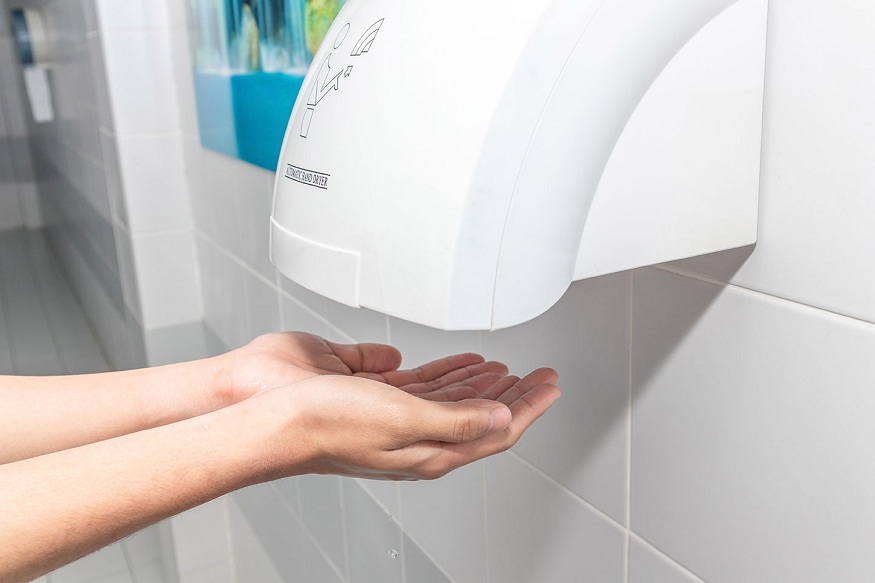
In our modern world, where hygiene is paramount, automatic hand dryers have become a ubiquitous feature in public restrooms. They are considered a more sustainable alternative to paper towels, with many believing that hand dryers are a greener option. However, as we continue to embrace technology in every aspect of our lives, one crucial question arises: How much energy do automatic hand dryers actually use?
The Basics of Automatic Hand Dryers
Automatic hand dryers use a combination of heat and air movement to dry your hands after washing. There are two main types:
- Conventional hand dryers – These dryers typically use warm air to dry hands, often taking around 20-30 seconds to get the job done. They are the most common type found in many public restrooms.
- High-speed hand dryers – These modern devices use powerful jets of air, often at room temperature, to dry hands in a much shorter time, usually in under 15 seconds. These hand dryers are marketed as being more energy-efficient because they reduce the amount of drying time required.
While both types work on the same basic principle, it’s the power consumption and drying time that will largely determine how much energy is used.
Read More: When DIY Electrical Projects Cross the Line Into Dangerous Territory
How Much Energy Does an Automatic Hand Dryer Use?
The energy usage of a hand dryer is measured in kilowatt-hours (kWh), the same unit used to calculate household electricity consumption. The power consumption of hand dryers varies depending on the type, brand, and model, but a general range can be outlined.
- Conventional hand dryers: These devices typically have a power rating of between 1.5 kW and 2.5 kW (kilowatts). When in operation, they use this amount of energy to blow warm air, usually for about 30 seconds per hand drying cycle.
- High-speed hand dryers: These are more energy-efficient compared to conventional models, usually consuming around 1.0 kW to 1.5 kW. They blow cool air at a high velocity and dry hands more quickly, typically in around 15 seconds.
It’s important to note that the actual energy consumption also depends on how long the hand dryer runs. So, if someone spends longer than usual drying their hands, the energy consumption will increase accordingly.
Are Hand Dryers Really More Energy-Efficient than Paper Towels?
One of the key selling points of hand dryers is their sustainability. Many people believe that by using a hand dryer, you’re helping to reduce the environmental impact compared to paper towels. But is that really the case?
To compare the energy use of hand dryers with paper towels, you need to consider both the energy used to dry your hands and the environmental cost of producing and disposing of paper towels.
The production of paper towels requires energy for manufacturing, packaging, and transport, as well as resources like water and trees. Moreover, paper towels contribute to waste, with many being disposed of after a single use, leading to landfill accumulation. When you compare this with the energy usage of an automatic hand dryer, it becomes clear that hand dryers can have a smaller environmental footprint, particularly when used in conjunction with energy-efficient models.
What About the Carbon Footprint?
Another consideration is the carbon footprint associated with energy use. While hand dryers consume electricity, the source of that energy matters. In the UK, a significant portion of the electricity comes from renewable sources, which lowers the carbon footprint of hand dryer use. However, if the electricity comes from fossil fuels, the environmental benefit of using a hand dryer diminishes.
High-speed hand dryers, despite their lower energy consumption, do require more initial investment. However, over time, they provide significant savings in both energy and paper towel costs.
For wider commercial, hospitality, or public-facing projects, small supporting details can make the finished space feel more complete. Composite decking can provide a durable, low-maintenance surface for terraces, entrances, outdoor seating areas, and customer-facing spaces; while traditional signage can add character, direction, and brand presence; while digital signage can share changing information, promotions, menus, or wayfinding updates clearly.
Conclusion
So, how much energy do automatic hand dryers actually use? The answer depends on the type of hand dryer you’re using. Conventional hand dryers use around 2 kW of power and can consume more energy over time, while high-speed hand dryers use between 1 kW and 1.5 kW, drying hands faster and using less energy overall.
When comparing them to paper towels, hand dryers – particularly the high-speed models – are generally the more energy-efficient and sustainable option, especially in environments where they are used frequently. Although the carbon footprint of electricity generation is a consideration, high-speed dryers offer a good balance of cost savings, sustainability, and hygiene.
Read More: Moved to a New City? A Quick Guide to Picking a Water Purifier
In summary, the energy consumption of automatic hand dryers is relatively modest, especially compared to other electrical devices. With the right model, you can significantly reduce both energy use and environmental impact while maintaining hygiene standards.