
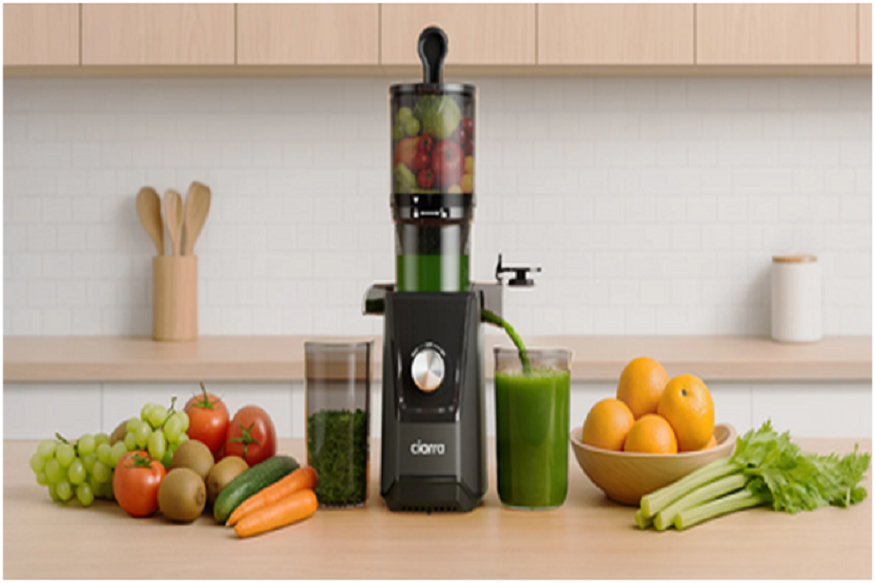
juicer vs blender. When it comes to healthy living and convenient food preparation, two appliances often stand out in modern kitchens: the juicer and the blender. Both are popular tools for making nutritious drinks, sauces, and meals, but they serve different purposes and deliver different results. If you’ve ever wondered whether you should invest in a juicer or a blender, this comprehensive guide will help you understand the key differences, benefits, and ideal use cases for each.
Understanding the Basics
Before diving into comparisons, it’s important to understand what each appliance does.
A juicer is designed to extract liquid from fruits and vegetables by separating the juice from the pulp. The end result is a smooth, pulp-free drink packed with vitamins and minerals. Juicers come in different types, including centrifugal and masticating (slow) juicers.
A blender, on the other hand, blends whole ingredients into a thick mixture. It retains everything—fiber, pulp, and juice—resulting in a more filling and nutrient-dense beverage. Blenders are commonly used for smoothies, soups, sauces, and even nut butters.
Nutritional Differences
One of the biggest differences between a juicer and a blender lies in the nutritional content of the final product.
Juicing removes fiber, which allows your body to absorb nutrients quickly. This can be beneficial if you’re looking for a quick vitamin boost or if you have digestive issues. However, the lack of fiber can also cause a faster spike in blood sugar levels.
Read More:Bedroom & Beyond: Choosing Modular Wardrobes with Elegant Mirror Finish
Blending, in contrast, retains all the fiber from fruits and vegetables. Fiber plays a crucial role in digestion, helps maintain stable blood sugar levels, and keeps you feeling full for longer. This makes smoothies a better option for meal replacement or weight management.
Ease of Use and Convenience
Blenders are generally easier to use and more versatile. You simply add your ingredients, press a button, and you’re done. Cleaning is also relatively simple, often requiring just a rinse or a quick wash.
Juicers, however, can be more time-consuming. You may need to chop ingredients into smaller pieces, and the cleaning process can involve multiple parts. While modern designs have improved convenience, juicers still tend to require more effort compared to blenders.
Versatility in the Kitchen
If you’re looking for a multi-purpose appliance, a blender is the clear winner. Blenders can handle a wide range of tasks, including:
- Making smoothies and milkshakes
- Preparing soups and sauces
- Crushing ice
- Blending nuts into butter
- Creating dips like hummus
Juicers are more specialized. Their primary function is to extract juice, and while they excel at it, they don’t offer much beyond that.
Taste and Texture
The taste and texture of your drink can also influence your choice.
Juices are light, refreshing, and smooth. They are perfect for those who prefer a clean, pulp-free drink. Because the fiber is removed, the flavors can be more concentrated.
Smoothies made with a blender are thicker and more filling. They often include additional ingredients like yogurt, milk, or protein powder, which enhance both taste and nutritional value.
Cost Considerations
Blenders are typically more affordable than juicers. You can find a good-quality blender at a reasonable price, and it can serve multiple purposes in your kitchen.
Juicers, especially high-quality masticating models, can be more expensive. Additionally, the cost of produce may be higher for juicing since you often need more fruits and vegetables to produce a single glass of juice.
Health Goals and Lifestyle
Your personal health goals play a significant role in choosing between a juicer and a blender.
If your goal is detoxification or quick nutrient absorption, a juicer might be the better choice. Many people use fresh juices as part of short-term cleanse programs.
If you’re focused on weight loss, muscle gain, or maintaining a balanced diet, a blender is more suitable. The fiber content helps you stay full and supports overall digestive health.
Interestingly, many health enthusiasts incorporate both appliances into their routines. For example, they might start the day with fresh juice and enjoy a smoothie as a meal later on.
Storage and Space
Another practical factor to consider is kitchen space.
Blenders are usually compact and easy to store. Many models are designed to fit neatly on countertops or in cabinets.
Juicers tend to be bulkier and may require more storage space. If you have a small kitchen, this could be a deciding factor.
Cleaning and Maintenance
Cleaning is often an overlooked aspect but can significantly impact your daily routine.
Blenders are generally easy to clean. Many models even have self-cleaning functions where you just add water and a drop of soap.
Juicers, however, have more components that need to be cleaned individually. This can be time-consuming, especially if you use the appliance frequently.
Environmental and Waste Factors
Juicing produces a considerable amount of pulp, which is often discarded. While some people reuse it in recipes like soups or baked goods, it can still contribute to food waste.
Read More:The Best of Both Worlds: Why a Hybrid Outdoor Pizza Oven is the Ultimate Backyard Upgrade
Blending uses the entire ingredient, resulting in less waste. This makes it a more environmentally friendly option.
Which One Should You Choose?
The choice between a juicer and a blender ultimately depends on your needs, preferences, and lifestyle.
Choose a juicer if:
- You prefer smooth, pulp-free drinks
- You want quick nutrient absorption
- You enjoy fresh fruit and vegetable juices
Choose a blender if:
- You want a versatile kitchen appliance
- You prefer filling, fiber-rich drinks
- You plan to make a variety of recipes
If budget and space allow, having both appliances can give you the best of both worlds.
Final Thoughts
The debate of juicer vs blender doesn’t have a one-size-fits-all answer. Each appliance offers unique benefits and caters to different needs. While juicers excel in delivering concentrated nutrients in liquid form, blenders provide a more balanced and versatile approach to nutrition.
In today’s fast-paced world, making healthier choices is more important than ever. Whether you choose a juicer, a blender, or both, the key is to incorporate more fruits and vegetables into your diet. Even platforms and product reviewers like Ciarragadgets often highlight how selecting the right kitchen appliance can significantly improve your daily nutrition habits.
By understanding the differences and evaluating your personal goals, you can make an informed decision that supports your health and enhances your kitchen experience.