
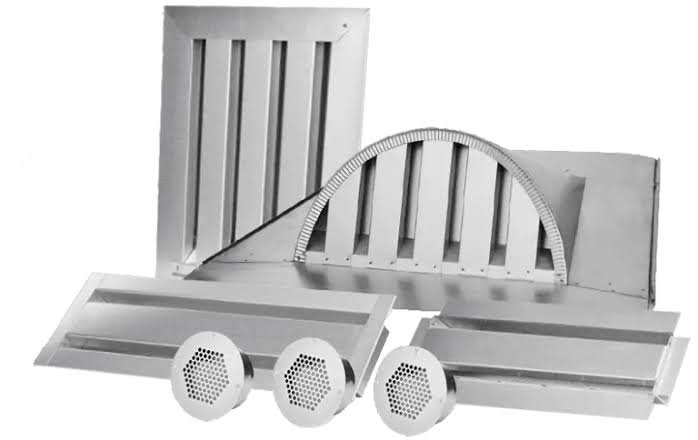
A wildfire doesn’t have to reach your walls to threaten your home. Wind-blown embers can enter unprotected vents and ignite combustible material in an attic or crawl space. A pre-season vent inspection can help you spot damage and openings that need attention.
Why vents deserve a closer look
It’s easy to picture wildfire as a wall of flame moving through trees. In practice, embers travel well ahead of the front and find their way into vents around a home, including those that feed attics and crawl spaces.
Include soffit vents tucked under eaves, gable vents high on end walls and foundation vents serving crawl spaces in your inspection. Each can be an entry point for embers if it is unprotected or damaged. Foundation vents also deserve attention when dry leaves have collected around them.
Home hardening treats these openings as part of a broader effort. Maintaining defensible space, clearing combustible debris and improving vulnerable building features work together to reduce risk. Sound vent protection complements those measures; it does not replace them.
Damaged frames or unsuitable screening
Look for frames that have warped or pulled away from siding, leaving a slit around the edge. Check for holes, tears, missing screening and corrosion that has damaged the metal. A frame can appear intact from the driveway while its screen has detached at a corner.
Plastic or fiberglass screening is another reason to review a vent. These materials can melt under heat. Metal insect screening also deserves a closer look: its material and opening size matter, and an ordinary insect screen is not equivalent to a tested ember-resistant vent assembly.
Some ember-resistant designs, such as those from Brandguard Vents combine mesh with baffles that interrupt the path of airborne embers. Others also incorporate heat-reactive material that expands to close openings. These features vary by product, so review the specifications for the particular model rather than relying on its appearance.
If you don’t know what type of vents you have, photograph any labels and ask a contractor to help identify them. A missing label isn’t proof that a vent is unsuitable, but it is a reason to look into its specifications.
Clogged vents and fuel sitting against them
Take a look at what is sitting in and around each vent. Mats of pine needles and dry leaves pack behind louvers and inside mesh. Cobwebs stretch across corners and catch more debris with each windy week. That buildup chokes normal ventilation and leaves fine fuel right where embers land.
Read More: Signs Your Outdoor Area Is Ready for a New Deck
Then step back and check plants and storage. Vines or shrubs that press against a vent give embers a place to linger. Move firewood and lumber piles well away from walls and foundation vents. Clearing that zone is part of defensible space, but it won’t help much if the vent behind the bush is broken.
Don’t forget the vents you rarely see. Low foundation vents hide behind plants, while small eave vents hide above patios. Check what you can see safely from the ground with a flashlight. Leave roof work and attic entry to a pro.
What to check before fire season and when to replace
Plan one walk-around each year before fire season starts. Bring a flashlight and look at every vent you can reach without a ladder. Note cracked frames, loose edges, missing mesh, and worn coating. Act on any damage you find. There’s no benefit in waiting to see if it gets worse.
A damaged frame needs attention as well as its screening. If replacement is appropriate, ember-resistant options include eave and gable vents for roof spaces, along with foundation vents for crawl spaces.
Compare products intended for the opening you need to protect. Ask about ember and flame testing, installation requirements and the ventilation area provided by the specific size. Don’t choose solely by exterior dimensions: two vents that fit the same opening may provide different amounts of ventilation.
CAL FIRE’s home-hardening guidance calls for 1/16- to 1/8-inch noncombustible, corrosion-resistant metal mesh on vents. It warns against plastic or fiberglass and recommends State Fire Marshal-approved flame- and ember-resistant vents for enhanced protection. It also advises consulting your local building official about ventilation requirements and hiring a licensed contractor. A contractor can assess net free ventilation area, the effective area available for airflow, so the replacement suits your attic or crawl space.
If gable vents sit high, don’t climb. Ask a contractor to photograph and measure them during the same visit. Schedule the walk-around ahead of your area’s high-risk season so there’s time to order parts and arrange installation. Photograph accessible vents and their labels from a safe position. Keep those photos with your seasonal checklist to help track changes and discuss repairs.
Check screening for dust and debris as part of ongoing maintenance, and follow the manufacturer’s cleaning instructions. Never seal vents shut to stop embers. Attics and crawl spaces still need appropriate ventilation. This inspection advice concerns attic and crawl space vents only; dryer vents and fuel-burning appliance exhausts have separate safety requirements and should not receive these screening modifications.
Read More: Common Air Duct Cleaning Mistakes and How to Avoid Them
Pair the vent check with roof and gutter clearing, using professional help where access is unsafe. Keep combustible mulch and stored materials away from walls. Repairing damaged vents is a useful step, but no vent can make a home fireproof. It belongs alongside regular maintenance, other home-hardening measures and an evacuation plan.