
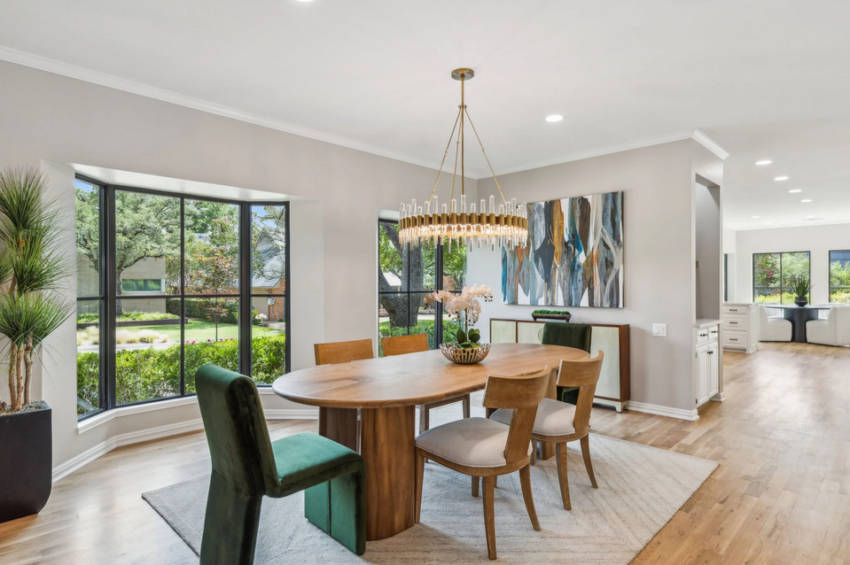
Home staging is not decoration. It is translation. It turns blank square footage into a clear answer to the question that matters to a buyer: could we live here?
Empty rooms ask buyers to do too much math
Walk into a vacant living room and there is no reference for size. Walls stretch without context. Ceilings could be nine feet or eleven feet, and many buyers will not know which. A doorway looks wide until they try to picture a sofa moving through it. Buyers may pause in empty bedrooms and wonder whether a bed will fit.
That is the cognitive gap staging fills. Without furniture, the brain has to work harder to map scale and proportion. Many buyers do not do that math. They move on. They may assume a small room cannot hold their things or a large room will feel cold. Neither guess is based on tape measurements.
Read More: How Florida Homeowners Can Prepare Their AC for Peak Summer
Empty spaces can also hide the parts sellers want buyers to notice. A fireplace may look like a blank wall without chairs pulled near it. A bay window can look like wasted floor space without a small table that shows what morning light does there. Buyers may not connect those dots on their own. A visual cue makes the intended use clearer.
Furniture gives the eye something to measure against.
Buyers are unlikely to bring a tape and a floor plan to every showing. Home staging can do some of that measuring work for them before they step inside.
A vacant bedroom with no bed makes ceiling height and floor space hard to read, so buyers may leave unsure whether their own dresser and nightstands will leave room to walk. They do not always pull out a tape. Uncertainty can shape how they remember the room.
Buyers react with feeling before logic
First impressions happen fast. Buyers form an early view of how a home feels within the first few steps inside the door. That response often comes before any detailed talk of price or square footage. If the entry feels tight or dark, that mood can follow them into other rooms. If it feels open and calm, minor flaws may attract less attention.
Thoughtful staging works with that instinct. Rather than arguing about value, it shows a possible way to live in the rooms. A dining table set for two suggests quiet dinners at home. A small desk by a window suggests a place to work without taking over the house. Buyers can spend less time auditing the space and more time picturing their own routines there.
That mental picture is why visualisation matters. In one National Association of Realtors survey, 81% of buyers’ agents said staging made it easier for a buyer to picture a property as a future home. The result supports a practical aim of staging: giving each area a recognisable purpose. Buyers can then focus on the home rather than trying to solve the layout.
Read More: How to Create a Comprehensive Water Safety Plan for Your Household
This is lifestyle marketing in a straightforward form. The sofa or vase is not the product. The arrangement shows how entertaining and relaxing could share the same open area without crowding it. Once buyers understand that story, the space becomes easier to assess on its own merits.
Focal points help that story land. A fireplace with two chairs near it tells buyers where to look first. A dining table under a pendant establishes a clear centre for the room. Without those cues, the eye can wander and the layout may feel less settled.
Decluttering and depersonalization reset the home
Every good staging job starts with subtraction. Sellers live in a home. Buyers need to read it as a property they might make their own.
That shift starts with decluttering. Counters get cleared. Closets lose some of what is packed inside. Buyers can then see surfaces and storage instead of someone else’s belongings.
Depersonalization does similar work on an emotional level. Family photos and trophies attract attention quickly. Strongly personal decor tells the seller’s story in every room. That can make it harder for a buyer to picture a different life there. Removing some of those pieces helps the home feel neutral without making it cold.
This step looks different in an occupied home than in a vacant one. In an occupied home, the process involves editing and rearranging what the seller already has. In a vacant home, suitable pieces give each room weight and purpose. Both approaches aim to make the layout easier to understand. Buyers should not have to guess.
Clutter can make rooms appear smaller in photos and in person. A clear shelf exposes more of the wall, while a clear floor makes traffic paths easier to identify.
Storage is where decluttering often has an immediate visual effect. A half-empty closet appears deeper than a packed one. A clear pantry shelf suggests room for weekly shops. Buyers can evaluate space more easily when they can actually see it. Hidden capacity is harder to judge.
A trained eye with local context reads the home differently
Sellers may struggle to be objective about their own place. They see memories and routines where buyers see square footage and layout. A professional stager enters without that personal history. The chair blocking a doorway or the rug visually cutting a room in half becomes easier to spot. Small fixes like these can change how buyers move through the property.
Local context shapes those decisions. A layout that suits one buyer group may not work as well for another. Sellers who want that fit often work with home staging DFW professionals who understand regional buyer demographics and how different households use dining areas and home offices. That local perspective keeps choices practical rather than generic.
In busy markets, buyers may tour several homes in one weekend. In slower areas, each individual showing may carry more weight. In either case, clarity helps. A home that is easy to understand is easier to compare with other options. A confusing layout may be harder to remember accurately.
That judgement cannot always be borrowed from generic design tips online. It develops through familiarity with homes in the same area and an understanding of how local buyers tend to use them.
Local knowledge can also guide palette and furniture choices. A family area that needs durable seating calls for different fabric from a formal living room. A work corner near natural light may need a smaller desk so the room still feels open. The choices should match how people in that segment are likely to live.
Furniture placement tells buyers where life happens
Furniture placement is the core skill in Home staging. Scale comes first. A sofa that is too large makes a living room feel tight. A tiny loveseat in a big room can make the space feel cold and unfinished. Right-sized pieces give buyers a realistic sense of what fits where.
Placement also gives each room a job. A corner with a chair and a lamp becomes a reading spot. A bare wall with a bench and hooks becomes a drop zone near the door. Buyers do not need to invent uses for those areas. They can see the possibilities.
Good arrangement controls traffic flow without signs or words. Chairs can face each other with enough space to walk behind them. Tables should sit where people can reach them without squeezing past. Clear paths from door to window allow buyers to move through the room comfortably instead of shuffling sideways.
The same thinking can highlight details sellers want buyers to notice. A pair of chairs angled towards a fireplace makes it the focal point. A low bench under large windows keeps the view open while providing a reference for scale. Nothing should block what makes the home distinct. The arrangement should direct attention towards it.
Conversation zones make size feel real. When buyers see two chairs angled for talk with enough room to walk behind them, they have a clearer basis for judging whether the room is too narrow and where they might sit each night. The shift is subtle. It can make the layout easier to recall.
Scale mistakes can mislead quickly. Oversized pieces make walls appear closer. Undersized pieces make rooms feel empty and cold. Balanced furniture keeps the proportions visible.
Color and light shape a sense of size
Color does quiet work in staging. Greige and warm white can broaden appeal without wiping out character. They give buyers room to project their own style onto the walls. Strong colors invite a more immediate reaction to the seller’s taste.
Texture keeps neutrals from feeling flat. Linen and wood add warmth without adding clutter. A throw or a woven basket can soften a corner that would look stark when empty. Buyers may register that sense of comfort before identifying its source. It can make the space feel more welcoming.
Light changes how large a room appears. Pulling back heavy drapes allows daylight to reach the floor. Table lamps and floor lamps can brighten corners that would otherwise look dark. A bright room often appears larger. A dim room may leave buyers wondering what they cannot see clearly.
Staging cannot add windows, but it can avoid blocking them. Mirrors and light finishes help reflect the daylight already available.
Curtains and bulky pieces that steal light may also need editing. A low-profile sofa allows a wall of glass to remain visible. An open base on a table keeps sight lines clear. Small choices can have a noticeable combined effect.
Layered light serves the same purpose after dark. An overhead light alone can leave corners flat and dull. A mix of table and floor lighting adds depth across the room. Warm, even bulbs generally help the space feel calm at night.
Photos and walk-throughs reward clear, move-in ready presentation
Most buyers meet a home online first. They may scroll quickly and form an initial impression in seconds. A staged room gives the camera clean lines and a clear focal point. An empty or cluttered room can create visual noise. That difference may affect whether a listing holds a buyer’s attention.
In person, the same clarity can read as move-in ready. Buyers may associate a tidy, well-kept presentation with attentive upkeep. Fresh-looking paint and orderly rooms can support that impression. It is not evidence of the property’s condition, and it should not replace an inspection. It is simply part of how presentation is perceived.
Staging can also be a financially reasonable choice for sellers watching costs. Editing and furniture rental may cost less than leaving an empty property on the market for another month with mortgage and upkeep expenses. The outcome is never guaranteed. Sellers stage to present the home clearly and reduce avoidable uncertainty, not to promise a particular sale price.
Virtual staging has a place in that calculation. It can show possibilities online for less money up front. It cannot reproduce the physical experience of walking through a balanced room. Buyers may notice the difference at a showing. Physical staging provides real references for scale, movement and sight lines.
Clear photos can make a listing easier to understand before a visit. Clear rooms can then help visitors assess the property without mentally furnishing every space. That stronger sense of layout may improve recall when buyers compare homes later. The value lies in better comprehension rather than a guaranteed result.
Time adds pressure too. Each extra week on the market can mean more cleaning, upkeep and stress for sellers. A clear, ready presentation may reduce some reasons for hesitation. At minimum, it lets buyers evaluate the property without unnecessary visual distractions.
Good staging does not need to trick anyone. It removes guesswork so buyers can understand size and daily life at the same time. When a space is easy to read, it is easier to imagine living there.