
How to Choose Living Room Furniture That Matches Your Interior Style
362 Views
Read Time:5 Minute, 45 Second
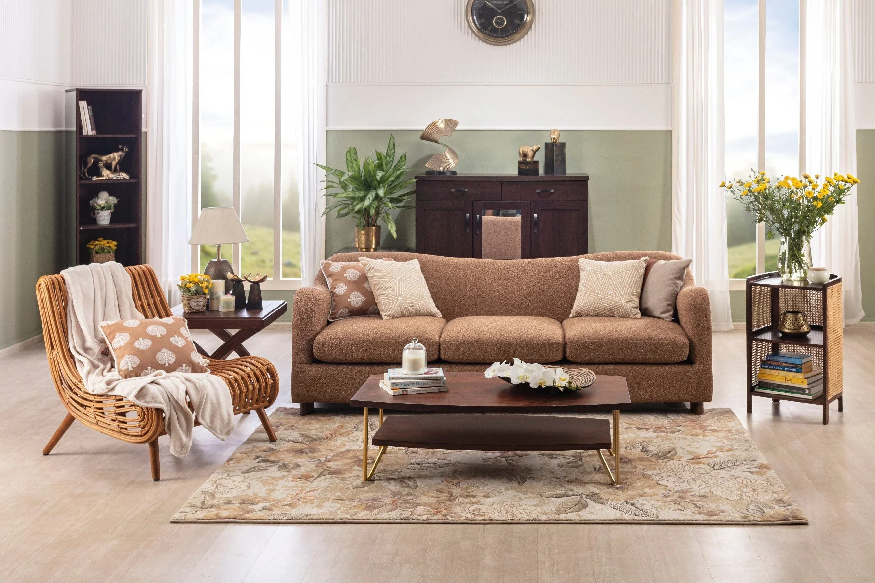
The living room is often the first space people notice when they enter a home. It is where families relax, guests gather, and everyday life unfolds. Because of this, choosing the right living room furniture is about more than filling a space. It is about creating an environment that reflects your personality, complements your interior style, and remains comfortable and functional over time.
With so many styles, layouts, and materials available, the process can feel overwhelming. Whether you are redesigning an existing space or furnishing a new home, understanding how to align furniture choices with your interior style can make all the difference. This guide walks through practical steps to help you select living room furniture that feels cohesive, intentional, and timeless.
Start by Identifying Your Interior Style
Before shopping for living room furniture, it is essential to understand your interior style. Your style influences everything from color palettes to shapes and materials.
Common Interior Design Styles
Some homes lean toward modern design with clean lines and minimal ornamentation. Others embrace traditional elements like detailed woodwork and classic silhouettes. Transitional interiors blend modern and traditional features, while coastal, rustic, and contemporary styles offer their own distinct characteristics.
Spend time observing what you are naturally drawn to. Look at your home architecture, existing decor, and even clothing preferences. These clues often reveal your true style and help guide furniture decisions.
Define Your Mood and Atmosphere
Beyond labels, think about how you want your living room to feel. Cozy and inviting, open and airy, or polished and refined. Living room furniture plays a major role in setting this tone, from the size of seating pieces to the textures used throughout the space.
Evaluate Your Living Room Layout
Understanding the physical layout of your living room is just as important as identifying style preferences.
Measure the Space Carefully
Accurate measurements ensure that living room furniture fits comfortably without overcrowding. Consider walking paths, doorways, and how people naturally move through the room. Furniture that is too large can make a space feel cramped, while pieces that are too small may look disconnected.
Consider the Room Function
Some living rooms are designed primarily for relaxation, while others serve as entertainment hubs or multi purpose spaces. Your layout should support how the room is used daily. For example, homes that host frequent gatherings may need flexible seating arrangements, while quieter spaces may prioritize comfort and simplicity.
Choose Furniture That Matches Your Style
Once you understand your style and layout, selecting living room furniture becomes more focused and intentional.
Modern and Contemporary Spaces
Modern interiors often favor simple shapes, neutral colors, and streamlined furniture. Look for clean silhouettes, low profiles, and uncluttered designs. Materials such as smooth fabrics, glass, or metal accents often complement this style.
Traditional and Classic Interiors
Traditional living rooms typically feature richer textures, warmer tones, and more detailed craftsmanship. Furniture with curved arms, decorative legs, or classic upholstery fits well in these spaces. Symmetry and balance are key elements in traditional layouts.
Transitional Interiors
Transitional design blends the best of both worlds. Furniture in these spaces often features simple lines softened by comfortable fabrics or subtle details. This style allows more flexibility and works well for homeowners who enjoy updating decor over time.
Balance Color and Texture
Color and texture play a significant role in how living room furniture integrates into an interior style.
Coordinating Colors
Choose a color palette that complements your walls, flooring, and existing decor. Neutral furniture offers versatility and longevity, while bold colors can act as statement pieces. The key is balance. Too many competing colors can overwhelm a room.
Layering Textures
Texture adds depth and interest to a living room. Mixing smooth and textured surfaces helps prevent the space from feeling flat. Soft upholstery, natural wood elements, and subtle patterns can work together to create visual harmony.
Prioritize Comfort and Proportion
Style should never come at the expense of comfort. Living room furniture is meant to be used daily, so comfort and proportion are essential.
Seating Comfort
Take time to consider seat depth, cushion firmness, and back support. Furniture that looks beautiful but feels uncomfortable will not stand the test of time. Comfort encourages people to relax and enjoy the space.
Visual Balance
Proportion matters when arranging living room furniture. Large pieces should be balanced with smaller accents to avoid visual heaviness. Maintaining balance helps the room feel cohesive and inviting.
Think About Long Term Flexibility
Interior styles evolve, but living room furniture is often a long term investment.
Timeless Foundations
Choose core pieces that are adaptable to future changes. Neutral sofas or classic shapes allow you to refresh the look with accessories such as pillows, rugs, or artwork rather than replacing furniture.
Adaptable Layouts
Flexible furniture arrangements make it easier to update the space as needs change. Modular seating or movable accent pieces provide versatility without sacrificing style.
Pay Attention to Quality and Materials
Quality construction ensures that living room furniture maintains its appearance and function over time.
Durable Materials
Well built frames and high quality upholstery contribute to longevity. While aesthetics matter, durability is equally important, especially in high use spaces.
Maintenance Considerations
Consider how much upkeep you are willing to manage. Some materials require more care than others. Furniture that aligns with your lifestyle will remain enjoyable rather than becoming a source of stress.
Shopping with Local Style in Mind
Exploring living room furniture in Cerritos allows homeowners to find options that suit both local design preferences and practical living needs. Seeing furniture in person helps you evaluate scale, comfort, and color accuracy more effectively than online browsing alone.
Local shopping also offers the opportunity to receive personalized guidance, helping you make informed decisions that align with your interior style and space requirements.
Bringing the Room Together
Choosing living room furniture is not about matching everything perfectly. It is about creating a cohesive story that reflects your lifestyle and taste.
Harmonize with Accessories
Once your furniture is in place, use accessories to reinforce your style. Lighting, artwork, and decorative accents help tie the room together and add personality without overwhelming the space.
Allow the Room to Evolve
A well designed living room grows with you. Over time, small updates can refresh the space while the core furniture continues to serve as a stable foundation.
Final Thoughts on Choosing Living Room Furniture
Selecting living room furniture that matches your interior style requires thoughtful planning, self awareness, and attention to detail. By understanding your style, evaluating your space, and prioritizing comfort and quality, you can create a living room that feels both beautiful and functional.
Whether you are exploring living room furniture in Cerritos or planning a broader interior refresh, focusing on harmony rather than trends leads to lasting satisfaction. When chosen carefully, living room furniture becomes more than decor. It becomes the backdrop for everyday moments, meaningful conversations, and a home that truly feels like your own.


Happy
0 %

Sad
0 %

Excited
0 %

Sleepy
0 %

Angry
0 %

Surprise
0 %
 0
0
 0
0


Average Rating